

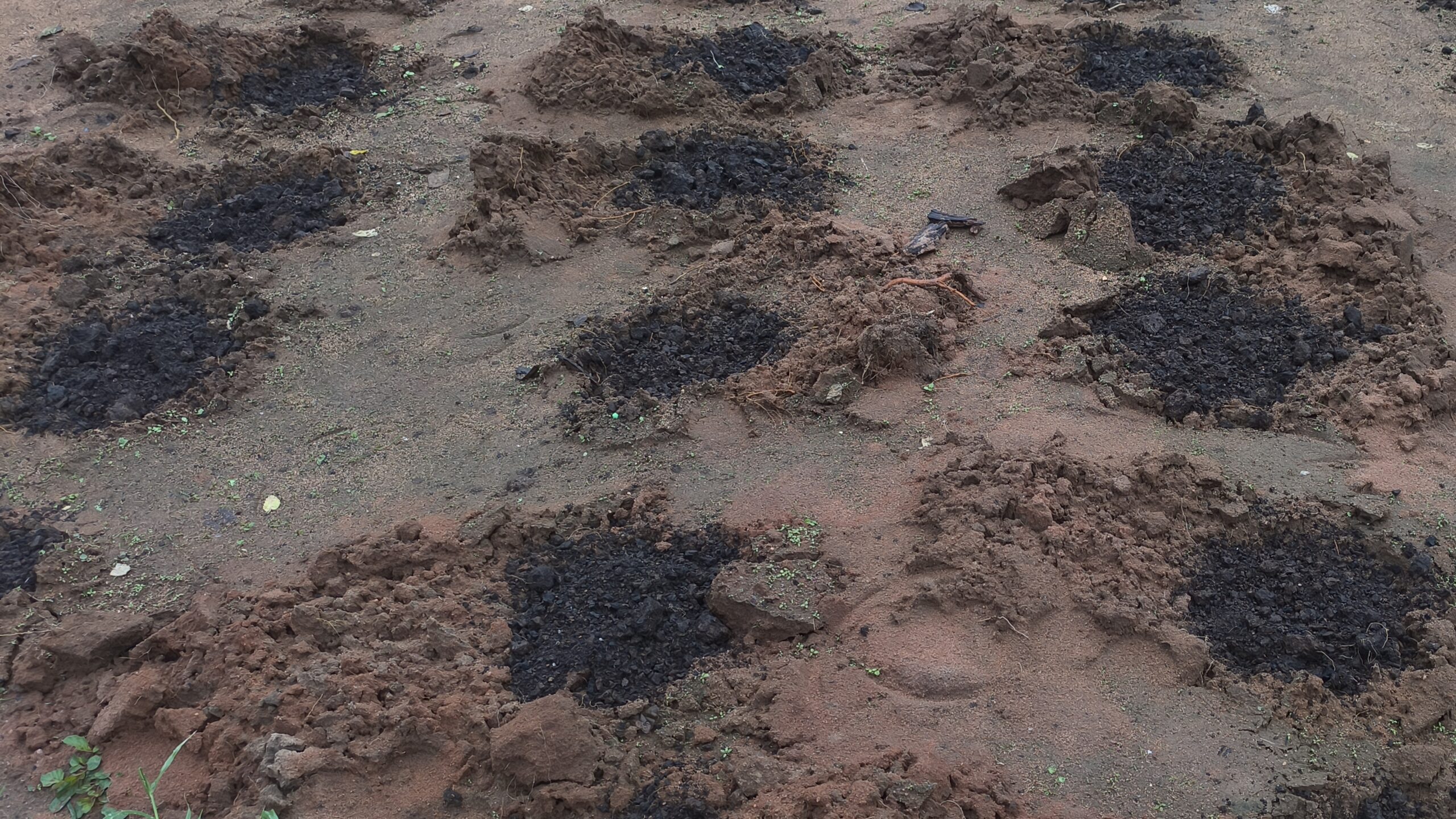
Tomatoes are one of the most popular crops in South Africa, grown both commercially and by small-scale farmers. As we prepare for the autumn planting season, proper soil preparation is crucial for a successful harvest. Using kraal manure is an excellent way to boost soil fertility naturally. This article will guide you through preparing planting holes with kraal manure and provide essential insights into growing tomatoes in South Africa’s autumn season.
Best Time to Grow Tomatoes in South Africa
Tomatoes can be grown throughout the year in South Africa, but the best seasons for planting are spring (August–October) and autumn (February–April). Since we are preparing for autumn, it is essential to choose tomato varieties that can withstand cooler temperatures, as autumn transitions into winter.
Soil Type for Tomatoes
Tomatoes thrive in well-drained, loamy soil with good organic matter. The ideal soil pH is between 5.5 and 6.8. Sandy soils drain too quickly and may require more organic matter, while heavy clay soils should be loosened to improve aeration and drainage.
Preparing Planting Holes with Kraal Manure
Kraal manure is a rich organic fertilizer that improves soil structure, retains moisture, and provides essential nutrients. Follow these steps to prepare your planting holes:
- Mark the spacing: Space tomato plants 50-60 cm apart in rows that are 80-100 cm apart to allow air circulation and easy access for maintenance.
- Dig the holes: Make holes about 30 cm deep and wide to accommodate the plant’s root system.
- Add kraal manure: Mix about 2-3 handfuls of well-rotted kraal manure into the soil at the bottom of each hole. Avoid fresh manure, as it can burn young plants.
- Mix with soil: Blend the manure with some topsoil before refilling the hole slightly. This prevents direct root contact with concentrated manure.
- Water the hole: Before planting, water the hole to help nutrients seep into the surrounding soil.
Fertilizer and Watering Needs
Besides kraal manure, tomatoes benefit from a balanced fertilizer such as 2:3:4 (30) for root and leaf development. Once flowering starts, apply a top dressing of LAN (Limestone Ammonium Nitrate) or potassium-rich fertilizer to support fruit development.
Tomatoes need consistent watering, especially during the early growth stage and fruiting period. Water deeply at least twice a week, depending on rainfall and soil type. Drip irrigation is ideal for maintaining moisture without overwatering.
Common Tomato Diseases and Pests
Tomatoes are prone to several diseases and pests, including:
- Early and late blight: Fungal diseases causing leaf spots and wilting. Remedy: Use copper-based fungicides and avoid overhead watering.
- Root-knot nematodes: Cause stunted growth. Remedy: Rotate crops and use resistant varieties.
- Aphids and whiteflies: Suck plant sap and transmit viruses. Remedy: Use insecticidal soap or introduce natural predators like ladybugs.
Best Tomato Variety for Autumn Planting
For autumn planting, determinate (bush-type) tomato varieties such as Roma VF or Heinz 1370 are recommended. These varieties mature faster (70-80 days), ensuring a good harvest before winter frosts begin. They also require less staking compared to indeterminate varieties.