

In a move to bolster small-scale farming and rural economies, the North West Department of Agriculture and Rural Development (DARD) has launched two key initiatives aimed at improving food security, increasing market access for farmers, and ensuring sustainable agricultural development in the province.
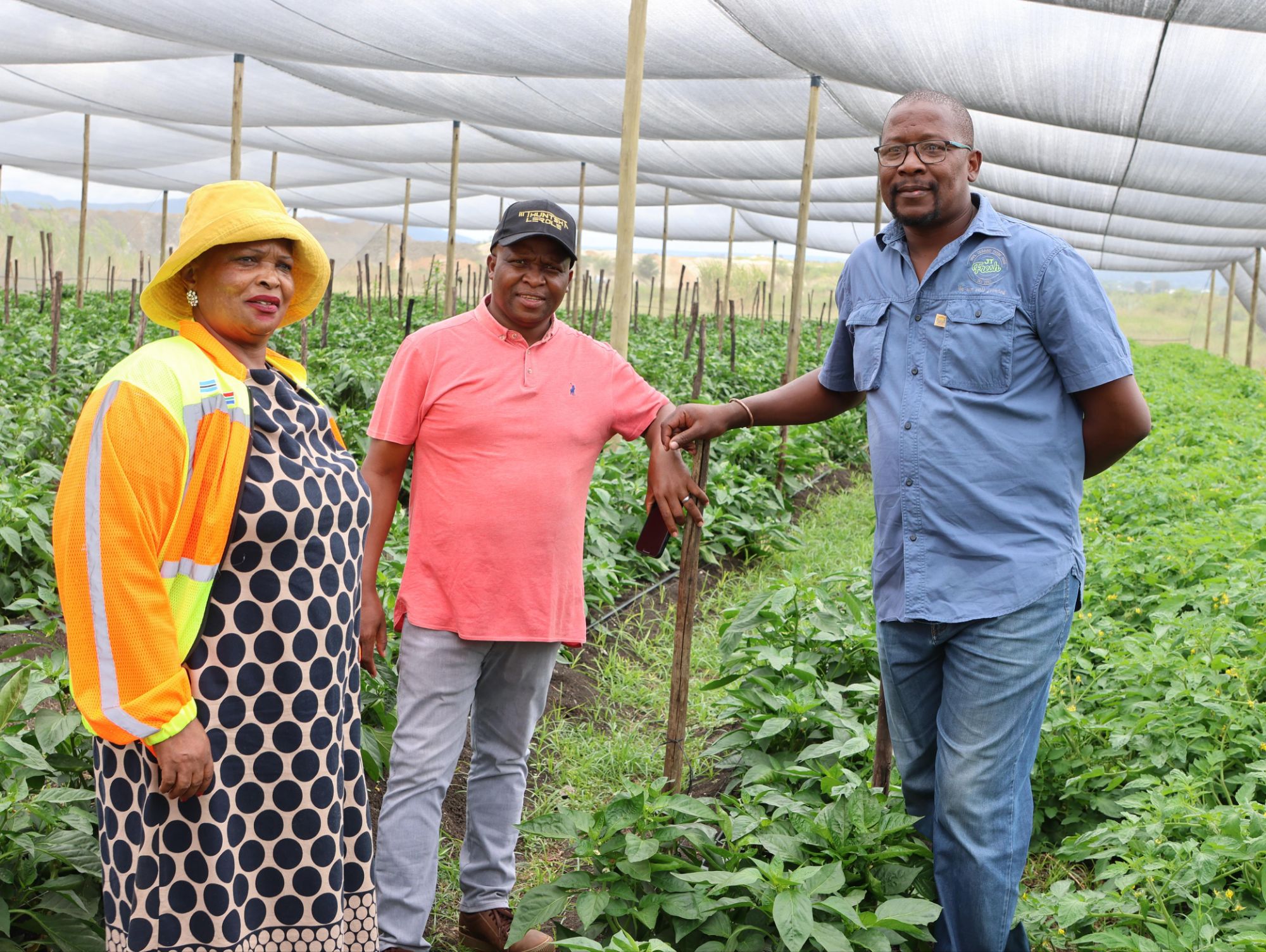
On Friday, February 14, Agriculture MEC Madoda Sambatha officially handed over greenhouse tunnels worth R2.5 million to JT Farm Fresh, a Bokfontein-based farming enterprise in the Madibeng Local Municipality. The investment, part of the Provincial Accelerated Service Delivery Programme, Thuntsa Lerole Reloaded, is expected to enhance the farm’s production capacity, allowing for year-round cultivation and improved crop yields.
Additionally, DARD has introduced the Farmers Market Day Initiative, a pioneering effort designed to connect farmers directly with consumers, cut out intermediaries, and provide small-scale producers with fair market value for their goods. The initiative is being rolled out across various municipalities, with the next Farmers Market Day set for March 7 in Mamusa Local Municipality.
Together, these programs reflect the province’s commitment to agricultural resilience, rural development, and economic transformation.
Empowering Small-Scale Farmers Through Infrastructure and Market Access
The handover of greenhouse tunnels to JT Farm Fresh is expected to significantly boost vegetable production in Bokfontein. The infrastructure will enable the enterprise to expand operations and meet the increasing demand for fresh produce in the region.
During the ceremony, MEC Sambatha emphasized the need to support emerging farmers in overcoming agricultural challenges.
“By investing in small-scale farmers like JT Farm Fresh, we are building a strong foundation for agriculture that can withstand challenges such as climate change and rising food prices,” he said. “These greenhouse tunnels will help improve production efficiency and sustainability, ultimately benefiting the entire community.”
JT Farm Fresh part-owner Jabulani Galubetse welcomed the support, noting that the investment would allow the farm to scale up production.
“This support will significantly enhance our operations, allowing us to meet the increasing demand for fresh produce in the region,” said Galubetse.
Meanwhile, the Farmers Market Day initiative aims to provide additional opportunities for smallholder farmers by offering a direct-to-consumer sales platform. The program ensures that farmers receive fair compensation for their products, while consumers gain access to high-quality, locally grown food at competitive prices.
MEC Sambatha described the initiative as a “game-changer” in rural economic development.
“Through this program, we are not only promoting sustainability but also ensuring that emerging farmers have access to markets and the support they need to thrive. We urge local communities, residents, and businesses to support this initiative by attending the markets and purchasing fresh, locally grown produce,” he stated.
Farmers Market Day Gains Momentum Across Municipalities
The first Farmers Market Day was successfully hosted in Matlosana Local Municipality, followed by Greater Taung Local Municipality. The next event is scheduled for March 7 in Mamusa Local Municipality, with additional locations to be announced.
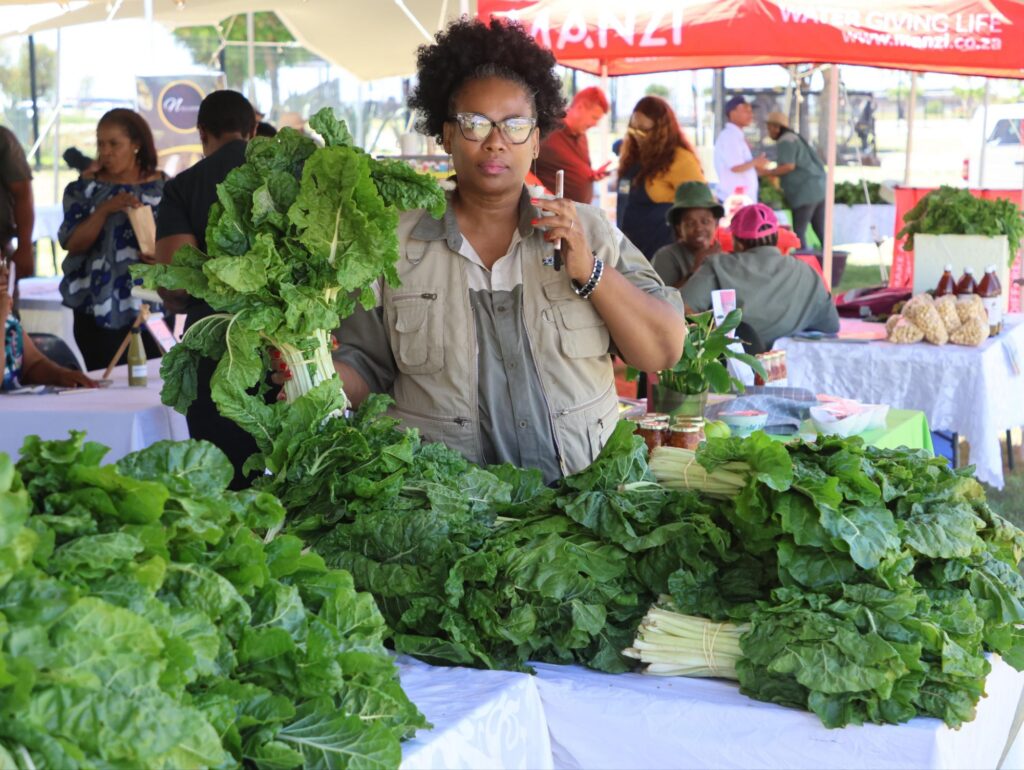
These market days not only provide farmers with a sales platform but also include capacity-building workshops on food safety, quality standards, and business operations. The Department offers technical support to help producers improve productivity and meet consumer demands.
Speaking at the recent Farmers Market Day in Taung, poultry farmer Tshegofatso Tekolo from Extension 7 highlighted the initiative’s impact on smallholder farmers.
“The Farmers Market is a step forward in connecting us as smallholder farmers and business owners with the wider community,” Tekolo said.