


Deputy Minister of Science, Technology and Innovation, Ms. Nomalungelo Gina, has intensified efforts to address South Africa’s critical shortage of STEM (science, technology, engineering, and mathematics) skills by engaging with business chambers across the country. This week, she met with the Nelson Mandela Bay Business Chamber in Gqeberha and the Border-Kei Business Chamber in East London to discuss partnerships aimed at bridging education gaps and creating a skilled workforce.
These engagements form part of a broader initiative to foster collaboration between government, business, and education institutions. Deputy Minister Gina highlighted the importance of a value chain linking STEM education, skills development, and industry needs to drive socio-economic transformation and innovation.
“Engineering, sciences, and technology courses will take off again from the current decline once we get STEM right at the basic education level,” Ms. Gina said. “It’s only through partnerships like these that we can create meaningful change.”
The Eastern Cape, home to key economic drivers such as the East London Industrial Development Zone (ELIDZ), the Coega Special Economic Zone, and automotive giants VW and Mercedes-Benz, offers fertile ground for such collaboration. Business leaders in the region have welcomed the initiative.
Ms. Denise van Huyssteen, CEO of the Nelson Mandela Bay Business Chamber, emphasized the importance of producing more engineers, noting that local talent is often poached by international industries. The chamber invited the Department of Science, Technology and Innovation (DSTI) to collaborate on identifying critical skills needs and creating tailored upskilling programs.
Similarly, Ms. Lizelle Maurice, Executive Director of the Border-Kei Business Chamber, commended the initiative, stressing the need to prepare young people for future jobs. She also called for greater utilization of the ELIDZ’s underused science and technology center.
Dr. Chris Ettmayr, Sector Manager for Renewable Energy and ICT at ELIDZ, highlighted existing efforts to inspire youth through gamification, coding, and robotics programs at the zone’s digital hub. “We want to start influencing their young minds and give them opportunities to work on smart projects for the city,” he said.
These discussions come amid declining investment in research, development, and innovation (RDI) in South Africa. According to the 2023 South African Science, Technology, and Innovation Indicators Report, R&D expenditure by the business sector has fallen by 40% over the past decade, with the 2020/21 period marking a 10.8% decline compared to the previous year.
Deputy Minister Gina emphasized the urgency of reversing this trend through strengthened STEM education as a foundation for economic growth. She underscored the importance of aligning education outcomes with industrial needs to create a sustainable pipeline of critical skills.
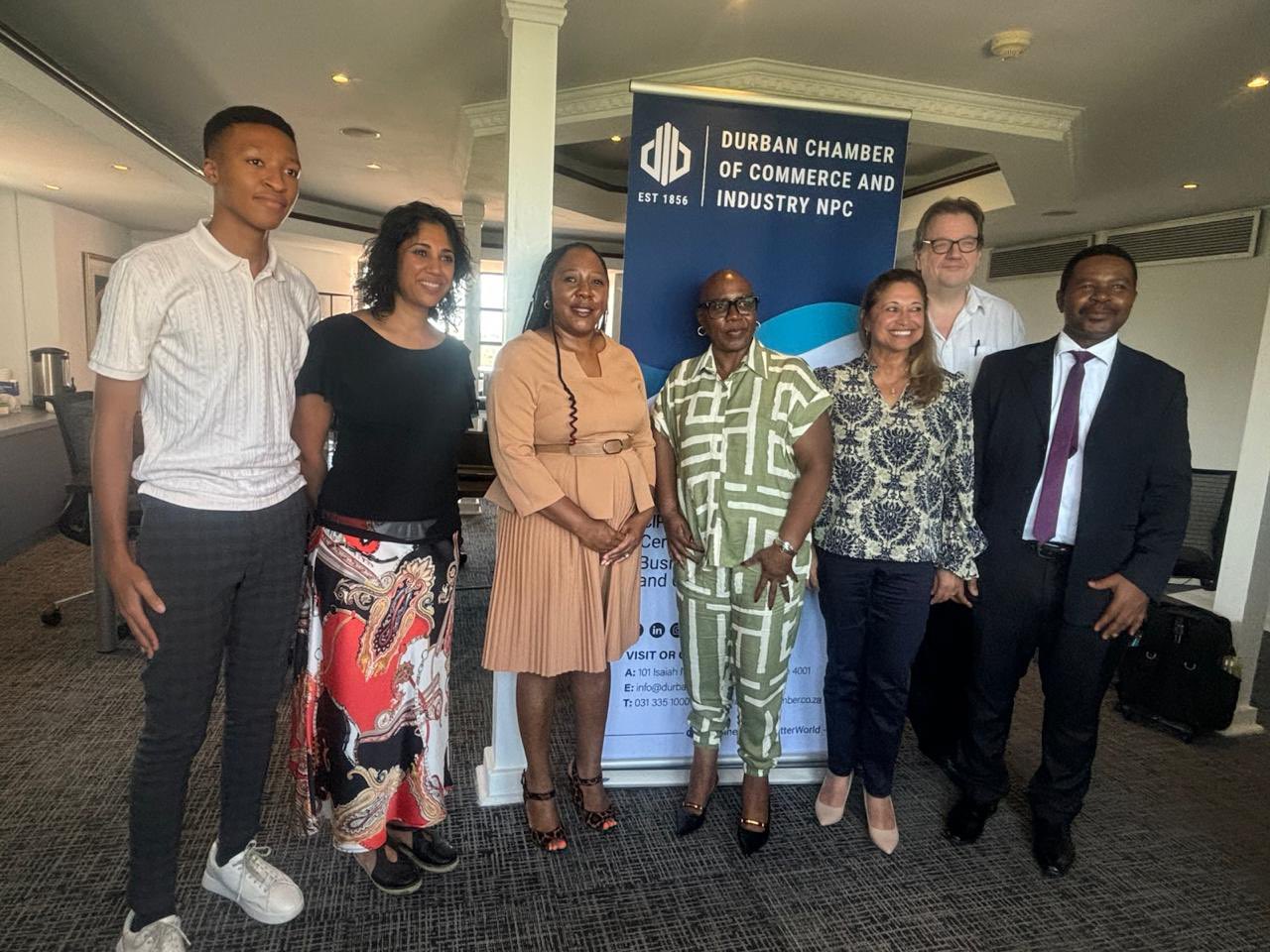
The meetings with the Eastern Cape business chambers follow a similar engagement with the Durban Chamber of Commerce and Industry in November. All chambers have expressed commitment to ongoing collaboration with the DSTI, aiming to build a skilled workforce, empower communities, and support industrial development across South Africa.


