


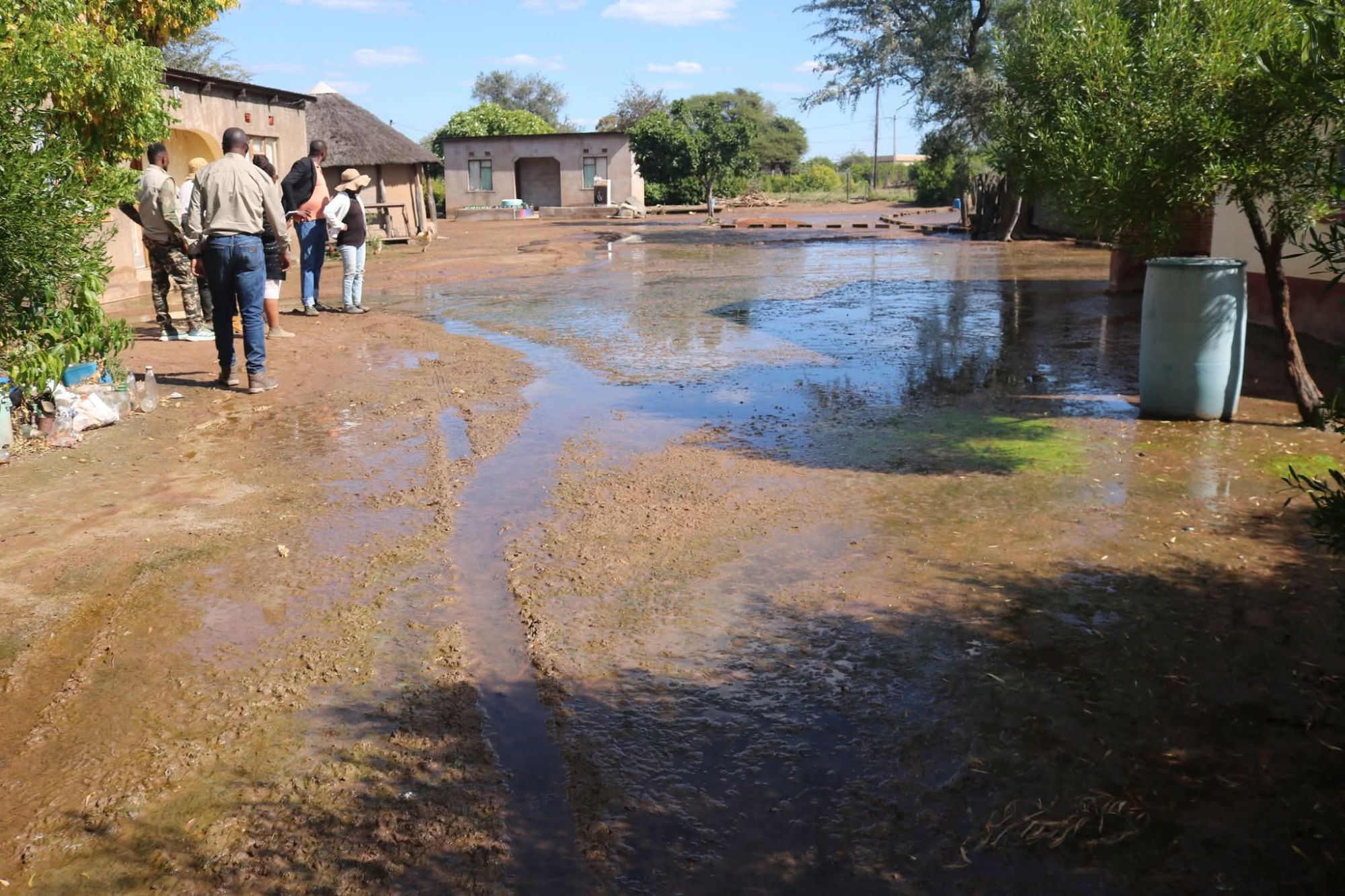
Underground water continues to affect residential properties in villages across the Tswapong region, with local authorities investigating the cause as concerns grow over damage to homes and infrastructure following recent flooding in the area.
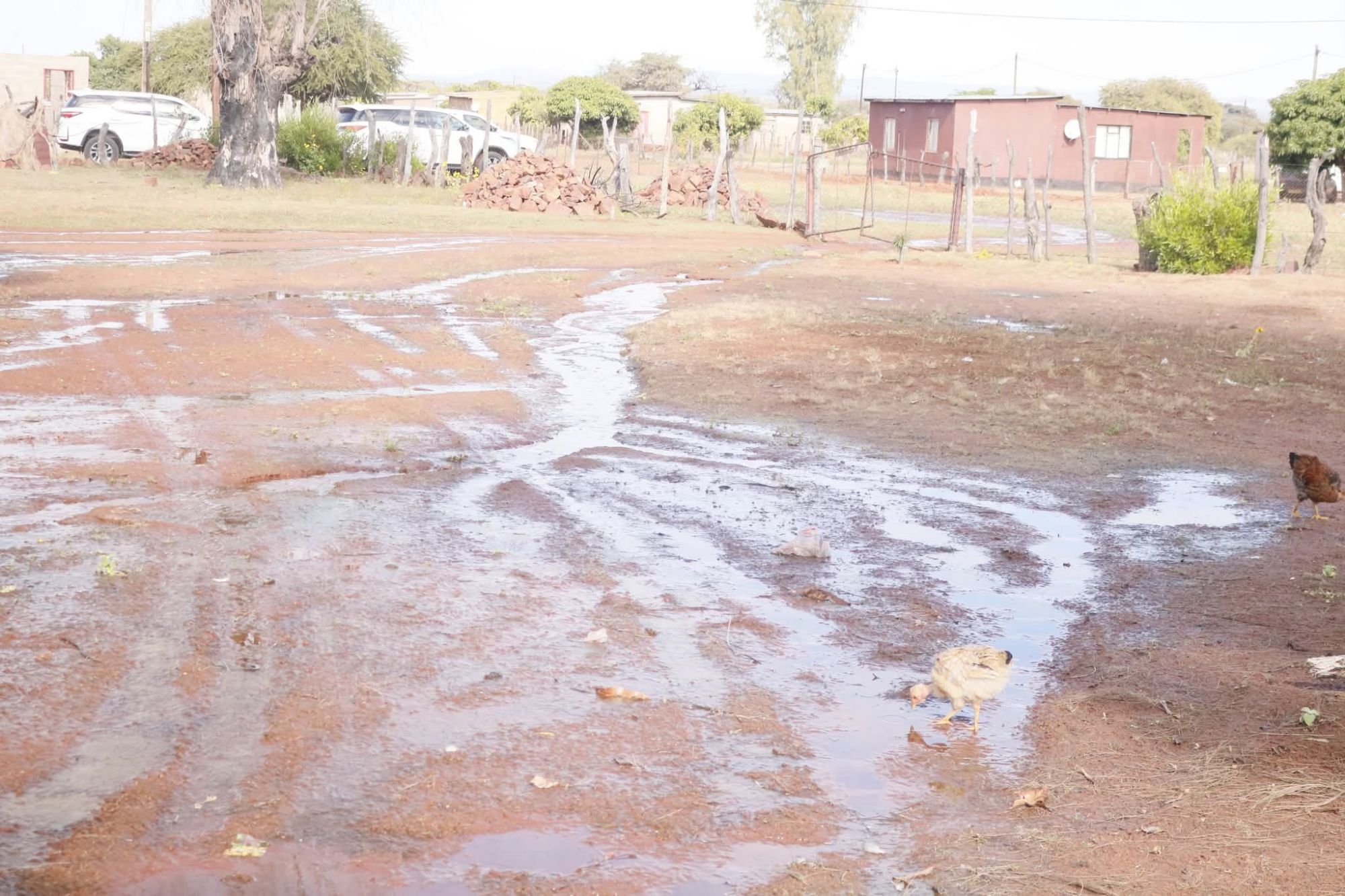
A total of 22 residential yards in Lecheng and 17 in Goo Tau have been impacted by persistent underground water seepage, according to local authorities. The phenomenon has raised alarm among residents who fear further deterioration of their properties if the problem is not resolved.

The newly elected council chairperson, David Ikanyeng, recently led a delegation of government officials to inspect the affected areas. The team included the district commissioner, council secretary and other officials tasked with assessing the extent of the problem and engaging with residents.
During the visit, officials inspected waterlogged yards and assured affected households that investigations were underway to determine the source of the underground water and identify sustainable solutions.
“Efforts are underway to determine the cause of the underground water seepage and identify long-term solutions,” local authorities said in a statement.
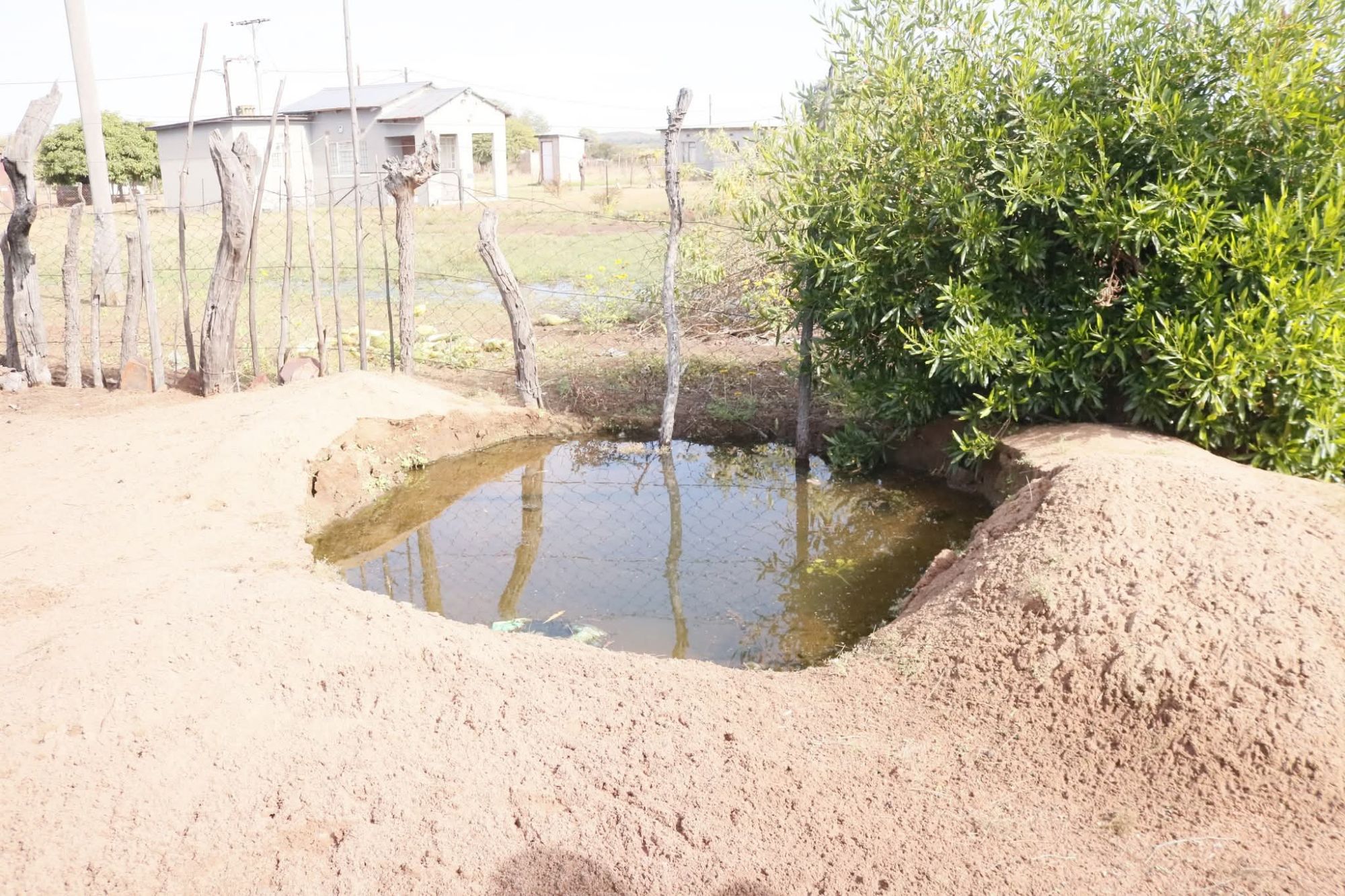
While investigations are still ongoing, experts say the recent floods experienced in parts of Botswana may offer clues to the unusual phenomenon.
Heavy rainfall and flooding can significantly raise groundwater levels, causing water stored beneath the surface to emerge in low lying areas long after floodwaters have receded. In some cases, floodwaters recharge underground aquifers, creating pressure that forces water to the surface through natural fractures, porous soils or ancient drainage channels.
The Tswapong region’s geological formations could also play a role. Water may be travelling through underground rock fractures and emerging in locations some distance from where the rain originally fell. Natural springs that have remained dormant for years can also reappear following periods of exceptional rainfall.
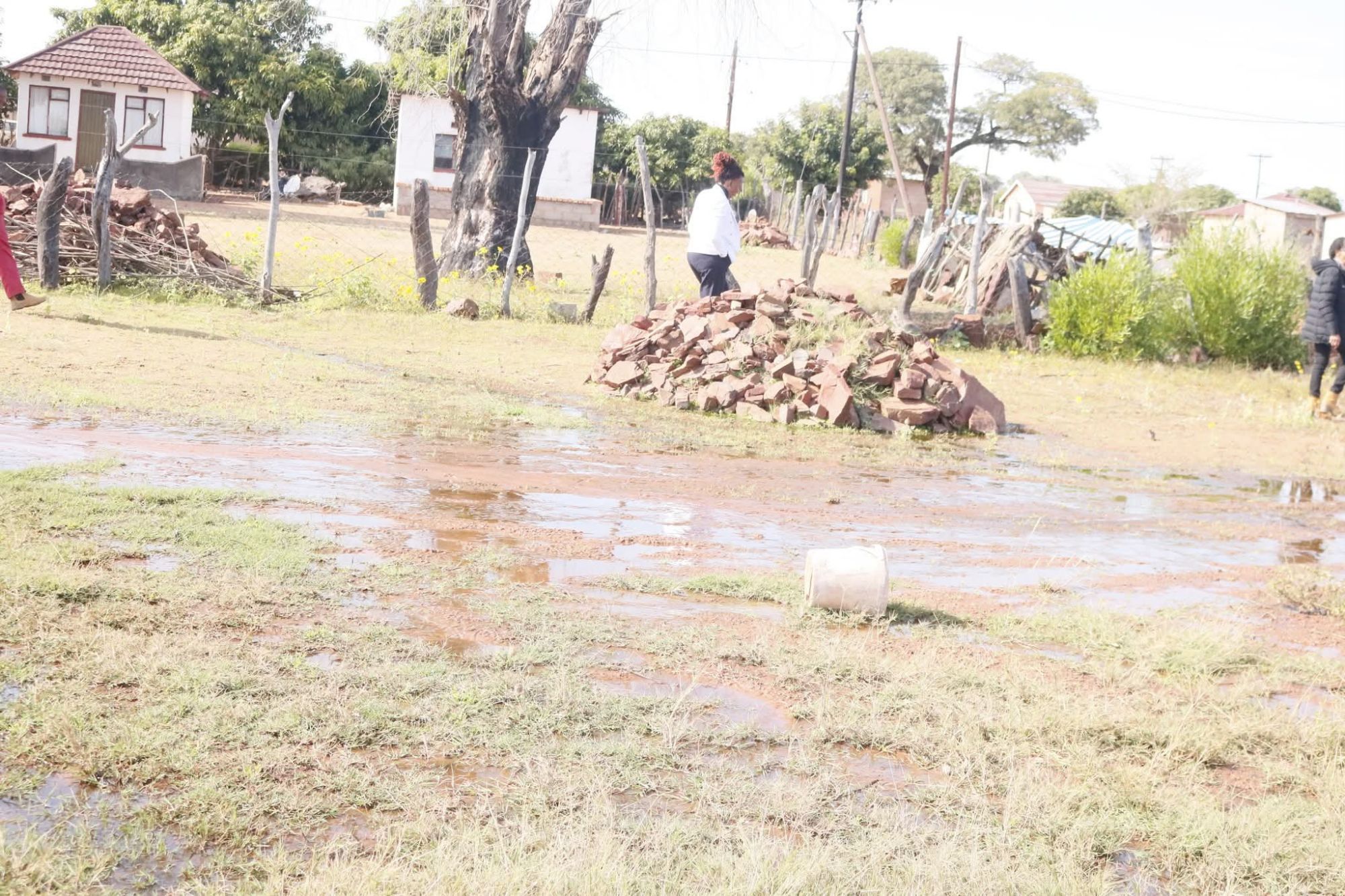
Other possible explanations include poor drainage conditions, particularly in areas with clay rich soils that retain water for extended periods, as well as potential damage to underground infrastructure such as water pipelines or boreholes caused by recent flooding.
Authorities are expected to conduct further geological and hydrological assessments, including groundwater monitoring and water quality testing, to determine whether the water originates from natural underground sources or damaged infrastructure.
Residents of Lecheng and Goo Tau say they remain hopeful that government intervention will provide answers and prevent additional damage to homes and community facilities.
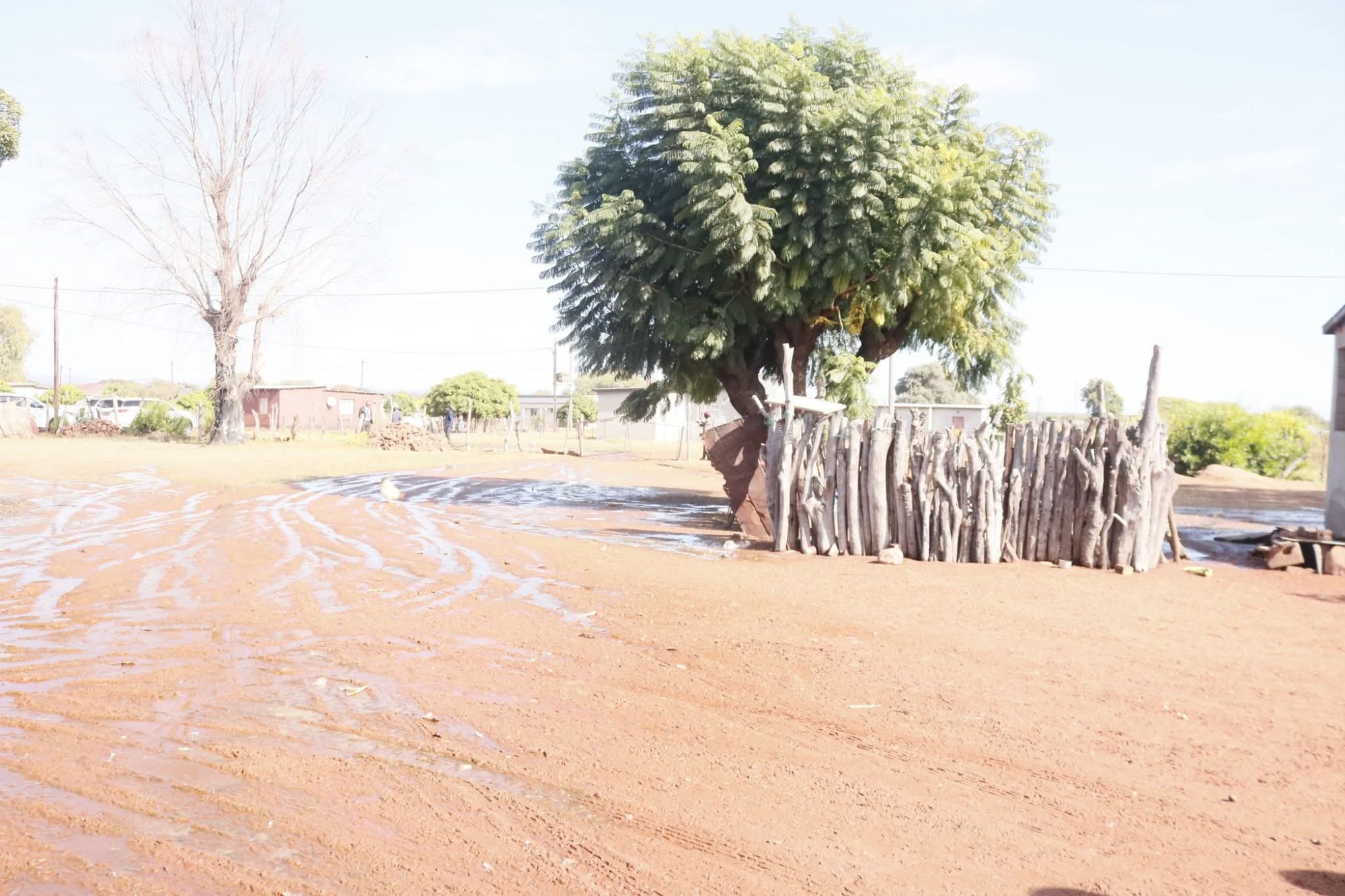
For now, authorities continue to monitor the situation as the unusual underground water seepage presents a challenge for communities still recovering from the effects of recent floods.


