

Home Affairs Committee Calls for Specialised Refugee Courts as Backlog and Duplicate Applications Grow
Parliament’s Portfolio Committee on Home Affairs has raised serious concerns over what it describes as the growing abuse of litigation processes by asylum seekers and refugee applicants, warning that the trend is placing immense strain on the country’s immigration and refugee systems.
During a meeting on Tuesday with the Department of Home Affairs and the Refugee Appeals Authority of South Africa (RAASA), the committee examined measures aimed at reducing the persistent backlog in asylum seeker and refugee applications.
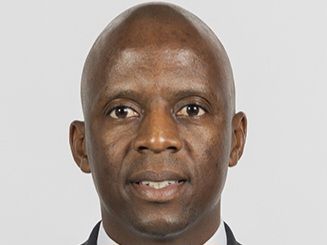
Committee chairperson Mosa Chabane said while the Constitution guarantees the right to judicial review, the increasing use of court processes to delay deportation or prolong unlawful stays in South Africa threatens the integrity of the asylum system.
“The abuse of the system through prolonged litigation undermines the entire asylum framework and significantly delays the processing of genuine applications,” Chabane said during the engagement.
The committee heard that RAASA had been served with 2,733 judicial review applications during the reporting period, a figure lawmakers believe is contributing heavily to delays in finalising cases.
To address the challenge, the committee urged the Department of Home Affairs to reopen discussions with the Department of Justice and Constitutional Development as well as the judiciary on the creation of specialised courts dedicated to asylum and refugee appeals.
According to Chabane, retired judges could be appointed to preside over such courts in an effort to speed up adjudication and reduce pressure on the mainstream judicial system.
Lawmakers also expressed concern over the prevalence of double applications, where individuals simultaneously apply through immigration and refugee channels. Members of the committee said weaknesses in the department’s fragmented systems make it difficult to detect duplicate applications across different legal frameworks.
The committee called on the Department of Home Affairs to strengthen and integrate its digital systems to better identify and prevent such abuses.
Another issue raised during the meeting was the lack of an effective track-and-trace system for applicants who withdraw their applications or fail to appear during adjudication proceedings. Committee members argued that this loophole undermines immigration enforcement and accountability.
The committee further reiterated longstanding concerns about the under-resourcing of the Department of Home Affairs Inspectorate Unit, saying limited capacity continues to weaken enforcement of immigration laws and monitoring functions.
Despite the criticism, lawmakers acknowledged efforts by RAASA to reduce the backlog of outstanding appeals and encouraged the authority to maintain momentum in clearing pending cases.
The committee resolved to hold another engagement in the near future to conduct a broader analysis of challenges facing South Africa’s asylum and refugee environment.
Members also stressed the urgent need to finalise the review of the White Paper on Citizenship, Immigration and Refugee Protection, arguing that current legislative and policy gaps are no longer aligned with evolving migration realities.
Meanwhile, the committee welcomed the Department of Home Affairs’ overall fourth-quarter performance in the previous financial year but voiced concern over missed targets linked to the department’s digital transformation programme.
Projects such as integrated service delivery systems and the digitisation of paper-based records remain behind schedule, prompting the committee to urge the department to improve implementation planning and forecasting.
Chabane said modernisation delays continue to hinder progress in transforming Home Affairs into a more efficient and responsive institution.