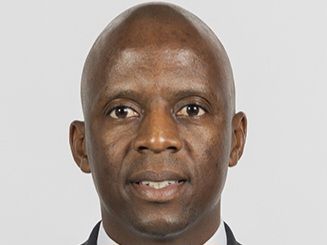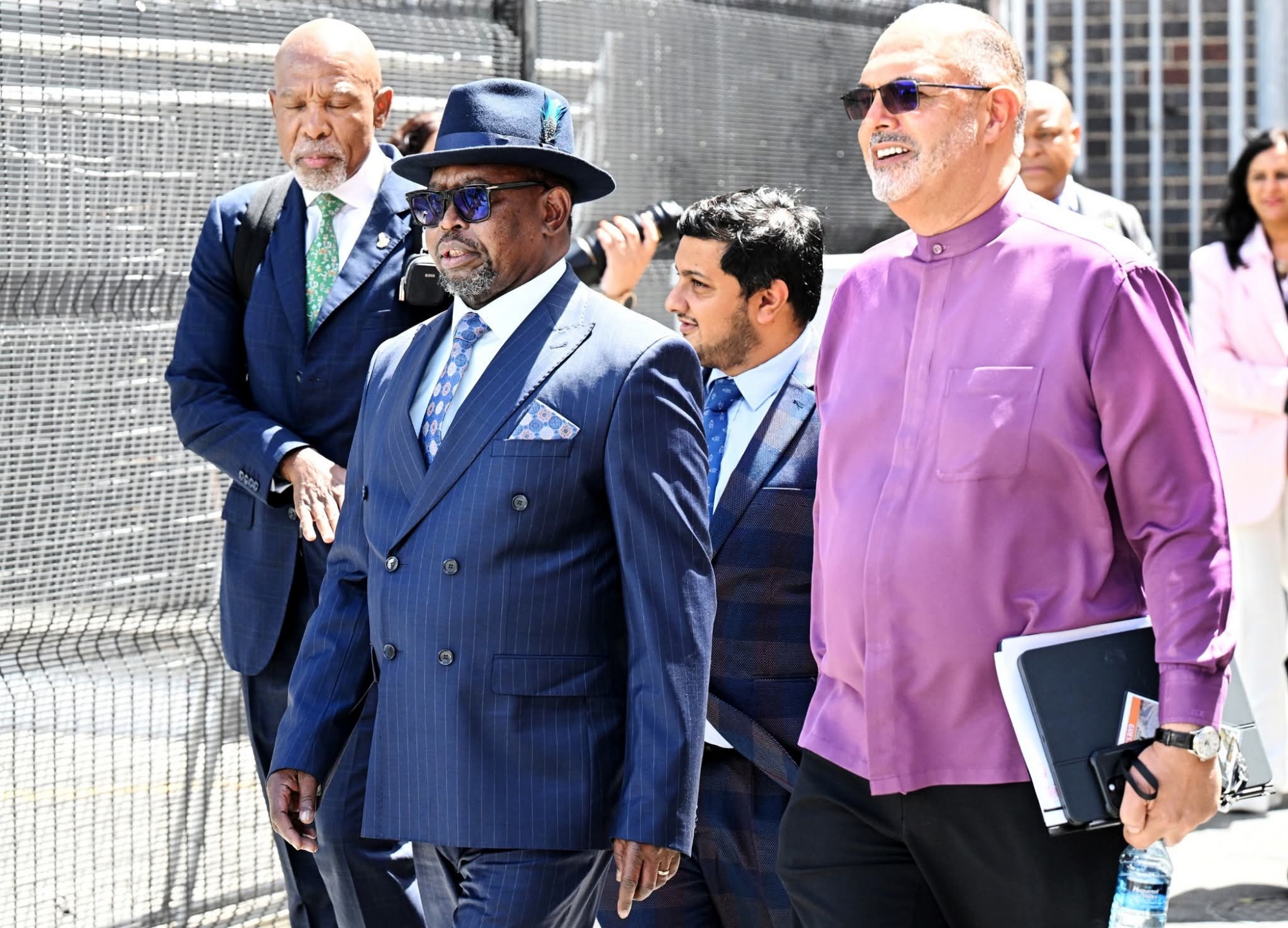
In the pantheon of political rhetoric, the concept of “sovereignty” is usually reserved for debates about borders and military might. But in his 2026 budget speech, South African Finance Minister Enoch Godongwana repurposed the term for the domain of economics, presenting his fiscal strategy as a vital step towards achieving “a greater degree of economic freedom and sovereignty” on a volatile world stage.
This framing elevates the technocratic details of deficit reduction and debt stabilisation into a strategic imperative. Mr. Godongwana painted a picture of a world in flux, where “established norms of the global order can shift and be undermined.” From persistent geopolitical tensions to the reshaping of global supply chains, the message was clear: in an era of uncertainty, a nation that controls its own fiscal destiny is a nation better equipped to protect its people.
“It is this sovereignty that gradually frees us from over reliance on external debt,” the Minister argued. “It shields us from the inherent uncertainties of global finance and global politics.”
This is not merely abstract philosophy. The budget explicitly acknowledges the shifting tectonic plates of the global economy. With advanced economies growing moderately, the engine of global momentum is now found in emerging markets, particularly in India and Sub Saharan Africa. Mr. Godongwana signalled that South Africa must pivot, “diversify our trading portfolios, secure new markets and reduce vulnerability to external shocks” to position itself to benefit from these emerging growth centres.
The budget also offers a pragmatic response to the weaponisation of interdependence. The US funding freeze on PEPFAR, a vital HIV/AIDS programme, has left a gaping hole. Rather than panic, the budget proposes a measured response, provinces will repurpose some of their own funding to meet these obligations, part of a broader “targeted and responsible savings initiative.” It is a quiet but powerful assertion of self reliance, a determination to manage a major health crisis without being held hostage to the budgetary whims of a foreign power.
This quest for sovereignty is also evident in the government’s approach to the digital economy. The budget announces that crypto assets will soon be governed under the cross-border movement of capital framework, bringing them into the formal regulatory ambit. More ambitiously, National Treasury will explore options to support the expansion of data centres and related infrastructure in South Africa.
“The use of data and artificial intelligence has become critical for the future development of economies worldwide,” Mr. Godongwana noted. “As such data infrastructure should be considered as critical as electricity, ports and transport networks.” The goal is to solidify South Africa’s role as a regional hub for these critical technologies, ensuring that the country is not just a consumer of the digital future, but a builder of its own infrastructure.
In the financial sector, reforms are aimed at deepening regional integration and reducing dependence on offshore financial centres. By easing restrictions on cross border capital flows, National Treasury hopes to position South Africa as the hub for investment into the rest of the continent under the African Continental Free Trade Agreement.
Furthermore, the plan to create a central administrator for more than R88 billion in unclaimed financial assets is an attempt to bring this shadow economy into the light, ensuring that dormant wealth can be traced and potentially returned to its rightful owners or redeployed productively within the domestic economy.
Mr. Godongwana’s vision is of a South Africa that is an active agent in its own destiny, not a passive subject of global forces. The fiscal discipline, the structural reforms, and the investment in digital and physical infrastructure are all, in his framing, instruments of sovereignty. They are the tools a nation needs to navigate a fractured and unpredictable world, building resilience from within so that it can withstand the inevitable shocks from without. The 2026 budget is, in its own way, a declaration of economic independence.