

Persistent heavy rainfall has triggered deadly flooding across parts of South Africa, prompting urgent warnings from authorities and the declaration of a national disaster, officials said on Sunday.
In Limpopo province, the Department of Transport and Community Safety has urged motorists, pedestrians and all road users to exercise extreme caution, particularly near low-lying bridges and flooded roads, following incidents in the Mopani and Vhembe Districts.
The department reported in a statement that the adverse weather has led to dangerous road conditions, with flooding-related incidents and loss of lives. Distressing reports have been received of people losing their lives after attempting to cross flooded streams, rivers and bridges.
MEC for Transport and Community Safety, Violet Mathye, expressed deep concern over the situation.
“We are deeply concerned about the loss of lives reported in Mopani and Vhembe. We urge motorists and pedestrians to refrain from crossing flooded roads and low-lying bridges. No destination is worth a human life. Floodwaters are unpredictable and can easily sweep away both people and vehicles,” Mathye said.


Mathye called on communities to cooperate with traffic officers, law enforcement agencies and disaster management teams deployed across the province. The department advised avoiding flooded crossings even when water appears shallow, obeying road closure signs and instructions from officials, using alternative routes, reducing speed and maintaining safe distances. Special caution was urged for pedestrians and learners in flood-prone areas.
The department extended condolences to affected families and encouraged staying informed through South African Weather Service alerts and reporting emergencies to local authorities.
The severe weather, including heavy rainfall, strong winds, lightning and flooding since late November 2025, has impacted Limpopo, Mpumalanga, KwaZulu-Natal, Eastern Cape and North West provinces, resulting in loss of life, infrastructure damage, displacement, school disruptions, agricultural impacts and closures in parts of Kruger National Park.
Minister of Cooperative Governance and Traditional Affairs, Velenkosini Hlabisa, welcomed the declaration of a National Disaster under Section 23 of the Disaster Management Act of 2002, initiated by the Head of the National Disaster Management Centre, Dr Elias Sithole, following consultations and assessments.


Mpumalanga has recorded 20 fatalities with over 1,300 houses, roads and public infrastructure damaged, while Limpopo’s death toll stands at 18. Further rainfall warnings remain in effect.
The declaration follows an oversight visit by President Cyril Ramaphosa to Limpopo last week, and Hlabisa’s assessment visit to Mpumalanga on Friday, January 17.
Hlabisa commended provincial leadership for its coordinated response and emphasized mobilizing resources for relief and recovery, with the National Executive taking primary responsibility for coordination under the Act.
He expressed appreciation for first responders, disaster teams, police, defence force and organizations such as Gift of the Givers, as well as communities showing Ubuntu.
Human Settlements Minister Thembi Simelane has dispatched the Emergency Housing Unit to affected areas in Limpopo and Mpumalanga, where teams are verifying damage to over 1,500 households, mostly in Limpopo.
In Limpopo, verification is underway in four district municipalities, with Capricorn pending; in Mpumalanga, it covers Ehlanzeni and Gert Sibande Districts. Preliminary findings indicate four households requiring relocation due to flood line issues, and eight in Gert Sibande needing Temporary Residential Units.
Additional capacity has been directed to expedite the process, with full assessments expected this week. The department provides interventions including restoration, relocation, rebuilding and repairs.
The South African Weather Service warned of disruptive rainfall, with a medium likelihood of significant impacts in the Lowveld of Limpopo and eastern Limpopo Valley, expecting 30 to 60mm more on Monday, exacerbating risks from prior damage.

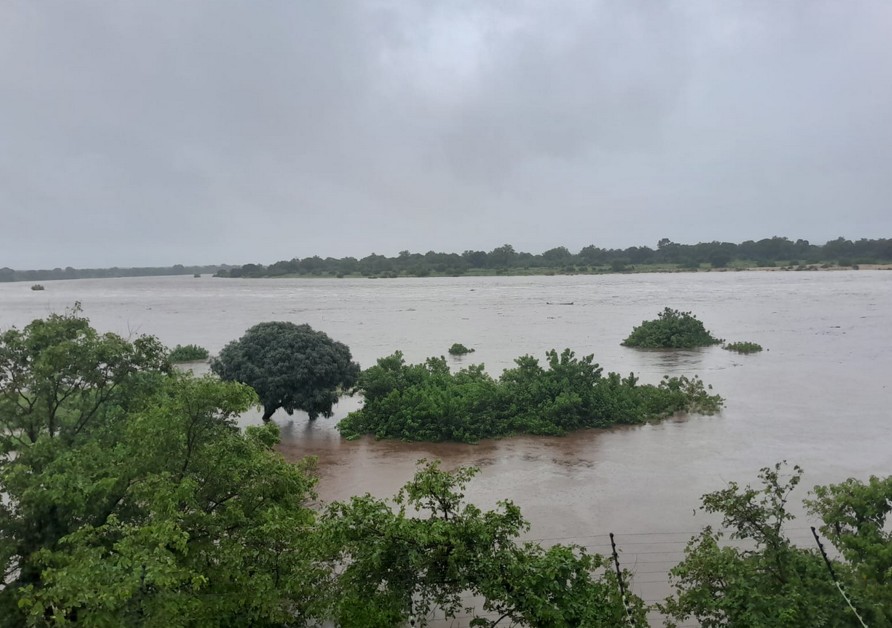
This could lead to flooded roads and settlements, traffic disruptions, inaccessibility of communities, danger to life from fast-flowing water, damage to makeshift structures, mudslides, rockfalls and soil erosion.