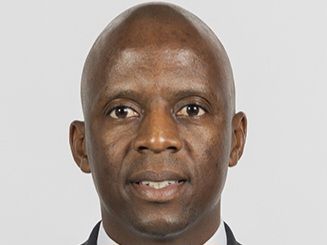
The issue of migration and its growing impact on South Africa’s labour market once again came under sharp focus in Parliament this week, as United Democratic Movement (UDM) Deputy President Nqabayomzi Kwankwa pressed President Cyril Ramaphosa to explain why the government continues to deny South Africans explicit protection in sectors dominated by undocumented foreign workers.
“Mr. President, the hypocrisy of some African countries on this issue cannot continue to go unchallenged,” Kwankwa said, drawing comparisons with other African states that have implemented protectionist labour measures. “Zimbabwe’s indigenization policy, Tanzania’s business licensing order, and Ghana’s Investment Promotion Act all safeguard their citizens’ economic participation. Why does our government fail to act against employers who have, for decades, employed illegal immigrants with impunity?” he asked.
The UDM deputy president, who has repeatedly called for a reserved sectors policy to protect South African workers—particularly in the informal economy—has warned that continued inaction threatens both job security and social stability. “Even the African Peer Review Mechanism, as far back as 2007, warned that unfair competition between locals and illegal immigrants needed to be addressed through policy and law,” he added.
Responding in the National Assembly, President Ramaphosa conceded that enforcement has been inadequate but stressed that measures were now being put in place to curb illegal employment practices. “Employers who employ undocumented migrants will be dealt with,” the President said firmly. “They will be prosecuted, fined, and could even be arrested because it is an offence to do so.”
Ramaphosa acknowledged, however, that enforcement capacity remains limited. “The process has been constrained by the availability of inspectors and personnel, but there is now an intergovernmental structure working to enhance this coordination,” he said. “Employers must be aware that prosecution is imminent.”
The President also defended South Africa’s regional obligations under the Southern African Development Community (SADC) and the African Continental Free Trade Area (AfCFTA), noting that integration and cooperation remain national priorities. Nevertheless, he confirmed that the Department of Employment and Labour is reviewing draft regulations under the Employment Services Act to regulate the hiring of foreign nationals, ensuring that South Africans are not unfairly displaced from entry-level sectors.
“We must balance our constitutional commitments with our responsibility to protect the livelihoods of South Africans,” Ramaphosa said, emphasizing that the approach must remain “lawful and humane.”