

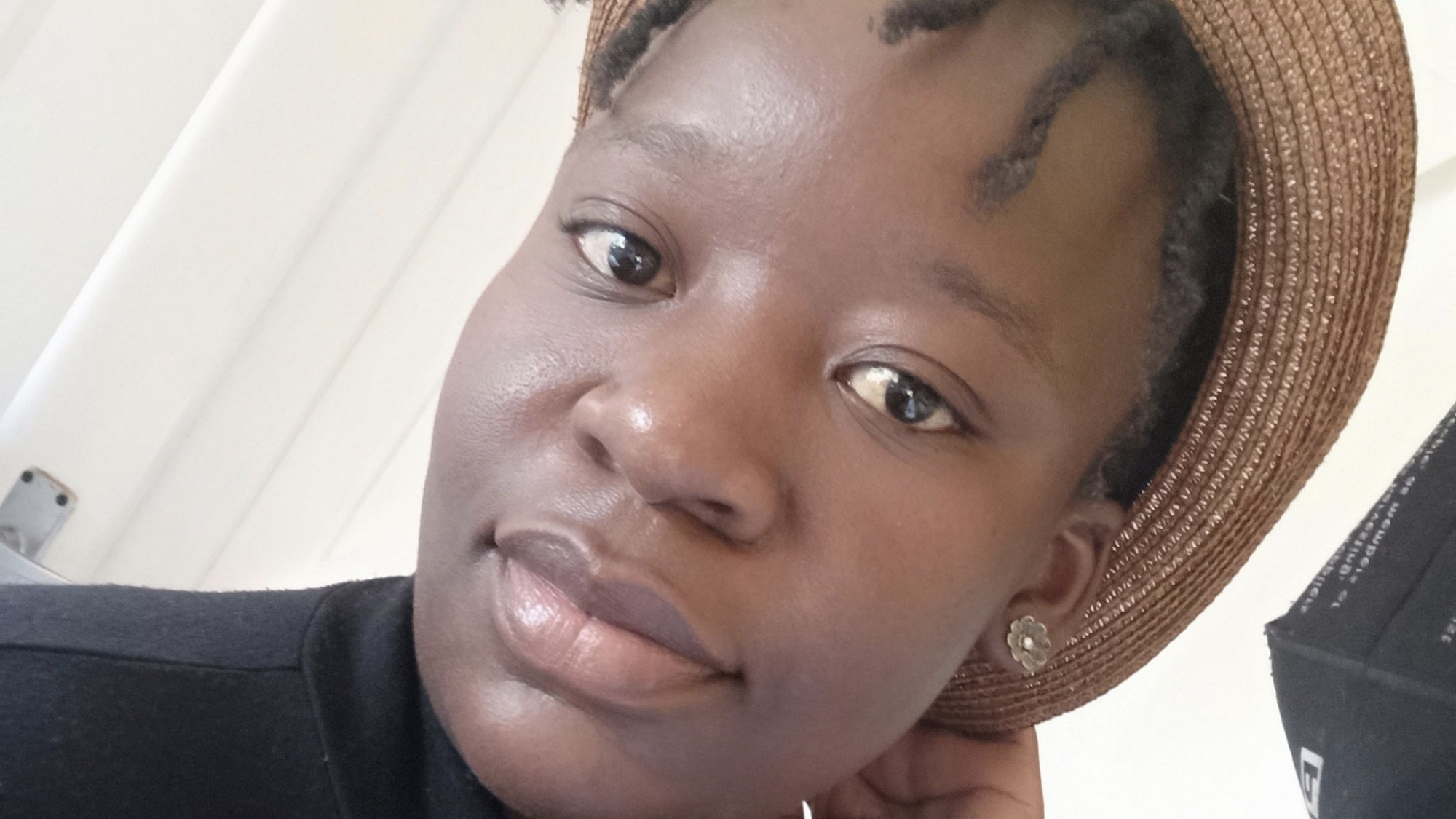
Lesedi Molapisi, a 30-year-old Botswana national, remains ensnared in Bangladesh’s unforgiving judicial system, sentenced to death on May 27, 2024, for smuggling 3.145 kilograms of heroin into Hazrat Shahjalal International Airport in January 2022. As of March 21, 2025, her appeal—lodged with the Bangladeshi court—awaits a hearing date, according to Botswana’s High Commissioner to India and Bangladesh, Gilbert Mangole. Speaking to local media on March 19, Mangole noted, “We last checked on Molapisi in December; she was in good health but indicated she was afraid,” confirming she has not been executed amid Bangladesh’s political turbulence following Sheikh Hasina’s ousting in August 2024.
Her case has galvanized international outrage. On June 5, 2024, seven human rights groups, including Amnesty International and the Anti-Death Penalty Asia Network (ADPAN), issued a joint statement condemning her sentence: “A death sentence for a non-violent crime demonstrates a blatant disregard of international law and standards.” Citing Bangladesh’s obligations under the International Covenant on Civil and Political Rights (ICCPR), which limits the death penalty to “crimes of extreme gravity involving intentional killing,” the groups urged an immediate commutation and eventual abolition of capital punishment for drug offenses.
The UNODC World Drug Report 2024 frames the broader crisis: 296 million people used drugs globally in 2021, a figure likely climbing. Botswana’s 2.3% adult cannabis use (36,000 people) pales beside South Africa’s 4.6% (2.8 million) for cannabis, 0.9% (540,000) for cocaine, and 0.3% (180,000) for heroin. Bangladesh battles 2.5 million methamphetamine (“yaba”) users—80% aged 15–30—per its narcotics agency. These drugs exact a toll: South Africa’s heroin users face a 20% HIV rate, Botswana’s rural clinics collapse under addiction’s weight, and Bangladesh’s youth vanish into yaba’s grip, with over 1 million tied to its trade.
Bangladesh’s death penalty for trafficking over 25 grams of heroin—enshrined in the 2018 Narcotics Act—aims to deter a flood from Myanmar, a global drug epicenter. Harsh penalties signal zero tolerance and the government views mules like Molapisi as lethal conduits. Yet, the human rights coalition counters, “The use of the death penalty for drug-related offences is in breach of the UN Drug Conventions and a violation of international human rights law,” highlighting its futility—UNODC data shows a 23% global drug use rise since 2011.
Molapisi’s plight exposes deeper flaws. With over 2,400 on Bangladesh’s death row, conditions are dire—overcrowding, torture, and solitary confinement plague inmates, per Amnesty International. A May 2024 High Court ruling deemed solitary confinement for pre-appeal death row prisoners unconstitutional, mandating their transfer to general populations by 2026. Globally, 112 countries have abolished the death penalty, and 144 are abolitionist in law or practice, per the joint statement—a tide Bangladesh resists, executing five in 2023 and sentencing 111 in early 2024.
Botswana, despite its own death penalty, funds Molapisi’s appeal, revealing a paradox in regional policy. As her father, a police commander, and groups like Ditshwanelo rally, her case questions whether justice targets pawns or kingpins in a trade exploiting desperation. With no hearing date set, Molapisi embodies a global reckoning: Can punishment stem addiction, or does it merely deepen the human cost?