


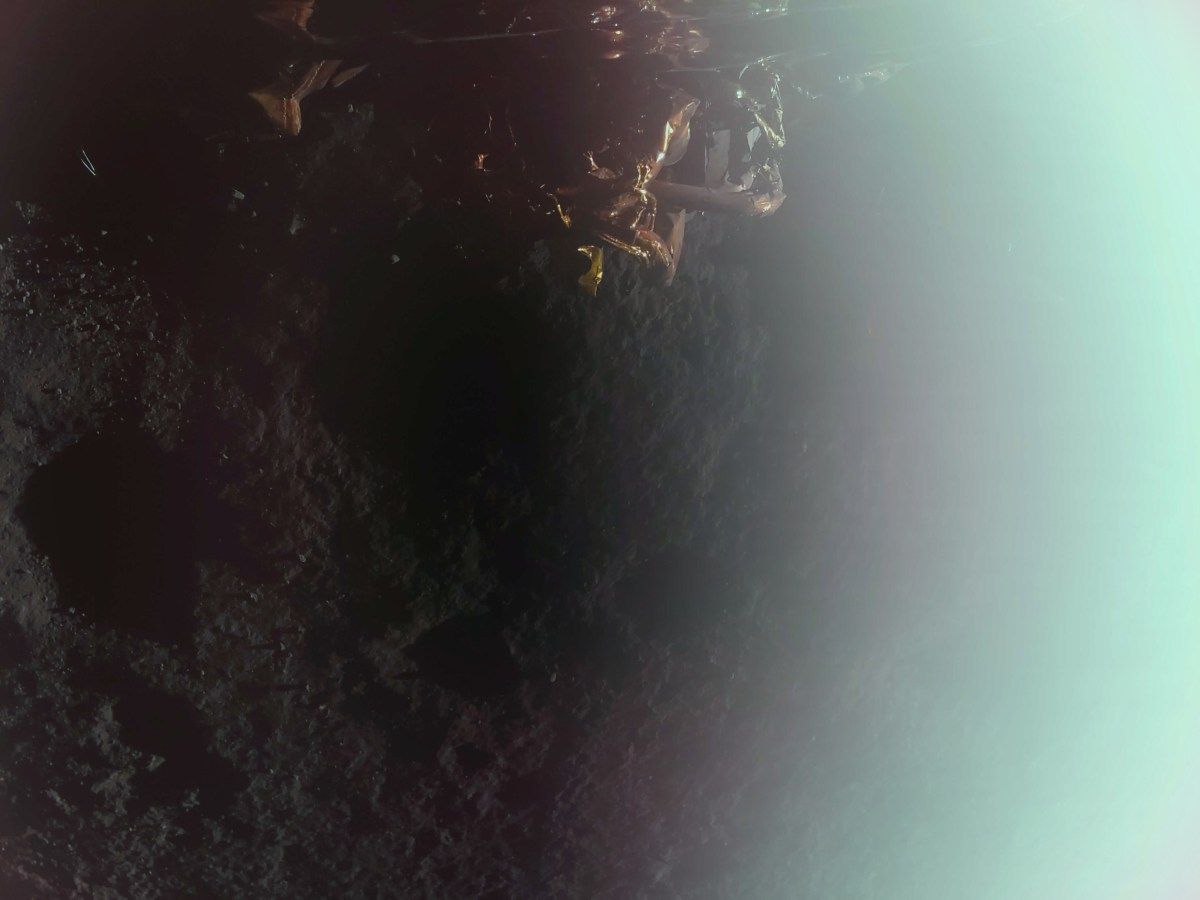
In a landmark achievement for lunar exploration, Firefly Aerospace’s Blue Ghost Mission 1 successfully landed on the Moon early Sunday morning, carrying a suite of NASA science and technology instruments. The landing, which occurred at 3:34 a.m. EST near Mons Latreille in Mare Crisium, marks a significant milestone in NASA’s Commercial Lunar Payload Services (CLPS) initiative and the broader Artemis campaign.
The Blue Ghost lander, now in an upright and stable configuration, is the second CLPS mission to deliver NASA payloads to the lunar surface. This mission represents Firefly Aerospace’s first lunar landing and a critical step in advancing commercial partnerships for space exploration.
The 10 NASA instruments aboard the lander will operate for approximately 14 Earth days, conducting experiments ranging from lunar subsurface drilling to radiation-tolerant computing. These efforts aim to enhance our understanding of the Moon’s environment and pave the way for future human exploration.
“This incredible achievement demonstrates how NASA and American companies are leading the way in space exploration for the benefit of all,” said NASA Acting Administrator Janet Petro. “The technological and science demonstrations onboard Firefly’s Blue Ghost Mission 1 will improve our ability to discover more science and ensure the safety of our spacecraft instruments for future missions.”
Since its launch from NASA’s Kennedy Space Center on January 15, the Blue Ghost lander has traveled over 2.8 million miles, downlinked more than 27 GB of data, and conducted several groundbreaking science operations. These include tracking signals from the Global Navigation Satellite System (GNSS) at a record-breaking distance of 246,000 miles, demonstrating the potential for using Earth-based positioning systems on the Moon.
The mission also tested radiation-tolerant computing through the Van Allen Belts and measured magnetic field changes in space, providing valuable data for future lunar and Martian exploration.
“The science and technology we send to the Moon now helps prepare the way for future NASA exploration and long-term human presence,” said Nicky Fox, associate administrator for science at NASA Headquarters. “We’re sending these payloads by working with American companies, which supports a growing lunar economy.”
As surface operations continue, the lander will capture imagery of the lunar sunset and study how lunar dust reacts to solar influences during dusk conditions—a phenomenon first documented by Apollo 17 astronaut Eugene Cernan.
Firefly Aerospace CEO Jason Kim expressed gratitude to NASA for the opportunity, stating, “Blue Ghost’s successful Moon landing has laid the groundwork for the future of commercial exploration across cislunar space.”
With five vendors already awarded 11 lunar deliveries under CLPS, NASA’s partnerships with private companies are set to revolutionize lunar exploration, sending over 50 instruments to various locations on the Moon, including the lunar South Pole.


